Termite Control in North Hollywood, CA
Swarmers, mud tubes, or hollow-sounding wood? A local exterminator inspects for subterranean and drywood termites and treats before the damage spreads. Call today.
- North Hollywood, CA
- Family & pet-conscious
- Experienced local exterminators
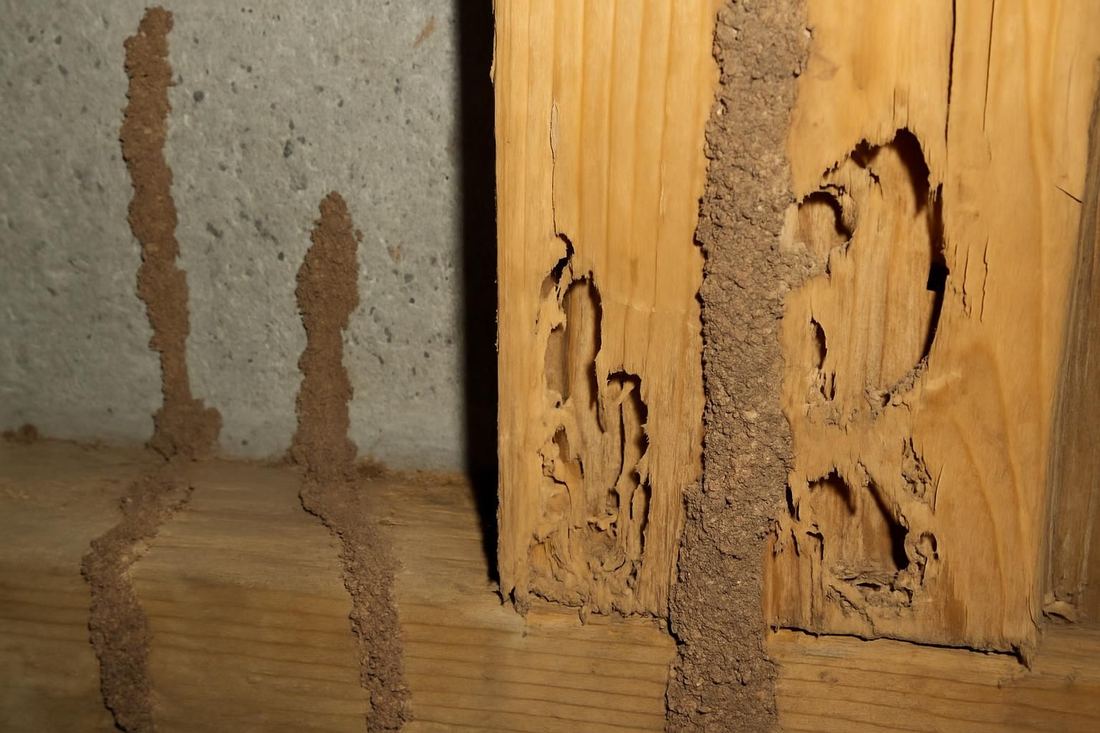
Termites are the quietest expensive problem a North Hollywood home can have. They work out of sight inside walls and framing, and most homeowners do not know they have them until a swarm appears, a mud tube shows up on the foundation, or a window frame turns soft. By then the colony has been feeding for a while. Early inspection and treatment are what keep a termite problem from becoming a structural repair.
Southern California's mild, dry climate suits termites well, and two kinds matter in the Valley. Subterranean termites nest in the soil and build mud tubes up into the structure. Drywood termites live inside the wood itself, with no soil contact, and turn up in attics, framing, and trim. Call 213-609-1003 for an inspection and an upfront estimate from a local exterminator.
Subterranean vs. Drywood Termites
The two types need different treatment, so identification drives the plan:
- Subterranean termites. They nest in the soil and need moisture, building pencil-width mud tubes up foundations and into framing. They cause the most structural damage and are common around raised and slab foundations across the Valley.
- Drywood termites. They live entirely inside dry wood with no soil contact, infesting attics, framing, eaves, and furniture. They push out small piles of pellet-like droppings that look like coarse sawdust.
- Swarmers. Winged termites that appear in spring and into fall as colonies reproduce. Finding swarmers or their discarded wings indoors is a strong sign of an active colony.
Signs of Termites to Watch For
Termites hide their work, but they leave clues. Call for an inspection if you notice any of these:
- Mud tubes running up the foundation, piers, or interior walls.
- Pellet piles of pellet-like droppings beneath wood, a drywood termite sign.
- Hollow-sounding or soft wood in trim, baseboards, window frames, and eaves.
- Swarmers or discarded wings near windows and light fixtures, and bubbling or cracked paint over damaged wood.
Termite Inspection and Treatment
Treatment depends on the species, the extent, and the construction of the home:
- Inspection of the foundation, crawl space, attic, framing, and exterior to confirm the type and map the activity.
- Soil and barrier treatment for subterranean termites, creating a treated zone that protects the structure.
- Localized or whole-structure treatment for drywood termites, matched to how far the infestation has spread.
- Prevention guidance on moisture, wood-to-soil contact, and the conditions that invite termites back.
Protecting Your Home From Termites
Termites are drawn to the same things in most Valley homes: moisture, wood in contact with soil, and undisturbed access to framing. You cannot make a home termite-proof, but you can remove the conditions that invite a colony and make an infestation easier to catch early. A local exterminator points out the risks specific to your property during the inspection.
The most useful habits focus on moisture and wood-to-soil contact, the two factors subterranean termites depend on most:
Catching termites early is the real protection, though. Because the damage hides inside walls and framing, a colony can feed for a long time before you see a sign, so a regular inspection is the difference between a simple treatment and a structural repair. Many North Hollywood homeowners schedule one every year or two, and always before buying or selling.
- Control moisture. Fix leaks, direct downspouts away from the foundation, and keep crawl spaces dry and ventilated.
- Break wood-to-soil contact. Keep firewood, mulch, and wood siding from touching the soil, which gives subterranean termites a direct route up.
- Clear the perimeter. Move stored wood, cardboard, and debris away from the foundation and out of the crawl space.
- Watch the wood. Check window frames, eaves, and trim for soft spots, blistered paint, and pellet piles, and call for an inspection if you see them.
Catch Termites Before They Cost You
The difference between a routine termite treatment and a major repair bill is how early you catch it. A local exterminator who inspects Valley homes knows where subterranean tubes hide and where drywood colonies set up in attics and eaves, so problems get found while they are still small.
You get a clear inspection report, a treatment plan matched to the actual termites in your home, and an upfront price. No fear-selling a fumigation the situation does not call for, and a straight answer on what the home needs.
Get Pest Help
Describe what you are seeing and get an honest plan and price. Same-day visits are often available in North Hollywood.
Call 213-609-1003More North Hollywood Pest Control
Termite Questions
How do I know if I have termites?
Look for mud tubes on the foundation, small pellet piles under wood, hollow-sounding or soft framing, and winged swarmers or discarded wings near windows. Many termite problems are only confirmed with an inspection, since the damage is inside the wood.
What is the difference between drywood and subterranean termites?
Subterranean termites nest in the soil and build mud tubes to reach wood, while drywood termites live entirely inside the wood with no soil contact. They call for different treatments, which is why identification comes first.
How often should I have a termite inspection in Southern California?
Many Valley homeowners schedule an inspection every year or two, and before buying or selling a home. The climate keeps termites active, and regular checks catch a colony while treatment is still simple.
Can termites really damage my home that fast?
Termites work slowly but constantly, and because they hide inside framing, a colony can feed for months or years before you notice. That is why early inspection and treatment save the most money.
Schedule a Termite Inspection
Mon–Fri 7am–7pm · Sat 8am–5pm · Upfront pricing · North Hollywood, CA